"Torque-to-Weight Ratio" Result
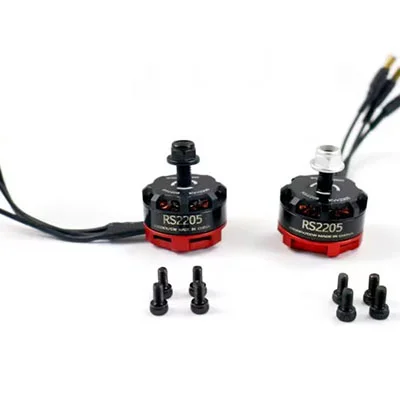
When engineers and hobbyists sit down to sketch out a new drone platform, the conversation almost always starts with motors, propellers, batteries, and flight controllers. Servos, by contrast, tend to get treated as an afterthought — a small line ite
- 10-11
- 38
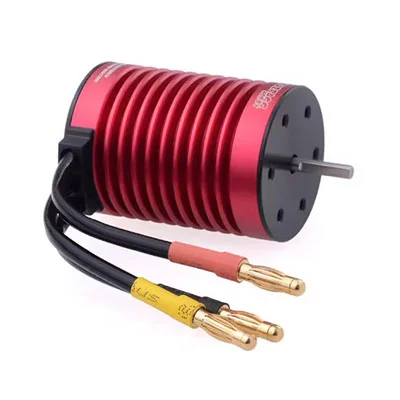
When you first start working with robotics, RC planes, or tiny animatronics, one of the first components you'll reach for is the micro servo motor. It's small, affordable, and surprisingly powerful for its size. But if you've ever shopped for one onl
- 10-9
- 51
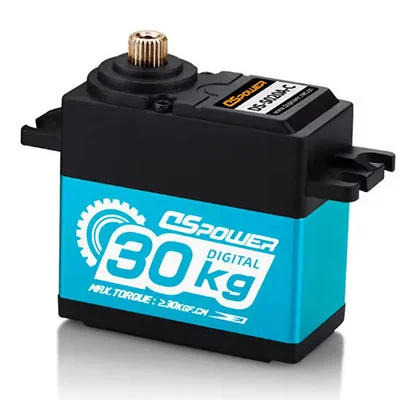
When you dive into the world of 3D printing, the conversation usually orbits around stepper motors, hotends, and extrusion systems. But if you’ve ever tried to build a lightweight delta printer, a robotic 3D printing arm, or even a multi-material swi
- 8-8
- 131

When you’re building a pan-tilt system—whether for a robotic surveillance camera, a LiDAR scanner, a 3D-printed gimbal, or a hobbyist FPV tracker—one of the most critical decisions you’ll face is choosing between a micro servo and a standard servo. A
- 6-14
- 198
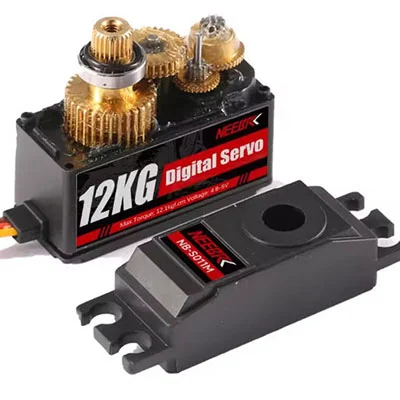
When you’re deep into a robotics project or building a custom RC vehicle, one of the first specifications you’ll stare at is torque. It’s the make-or-break metric that determines whether your servo can actually move the load you’re asking it to handl
- 5-31
- 242

In the intricate world of robotics, RC models, and precision automation, the micro servo motor reigns supreme. These compact powerhouses are the unsung heroes behind a robotic arm's graceful movement, a drone's stabilized camera gimbal, or a miniatur
- 4-1
- 238
In the ever-shrinking world of robotics, RC models, and smart devices, a quiet revolution is happening at the actuator level. The battle for space, efficiency, and precision is being won not by the biggest motors, but by the smallest. Enter the micro
- 3-22
- 292
When you first hold a micro servo in your palm, its diminutive size feels almost insignificant—weighing less than a coin, occupying less space than your thumb. Yet this tiny powerhouse represents one of robotics' most fascinating paradoxes: how can s
- 11-30
- 441
About Us

- Lucas Bennett
- Welcome to my blog!
Hot Blog
- Using Arduino to Control the Position and Speed of a Micro Servo Motor
- Step-by-Step Guide to Creating a DIY Robotic Arm with Arduino
- How to Build a Remote-Controlled Car with GPS Navigation
- Using a Smartphone to Control Your Micro Servo Robotic Arm
- Diagnosing and Fixing RC Car ESC Throttle Response Issues
- Building a Servo-Powered Automated Sorting Robot with Raspberry Pi and AI
- Diagnosing and Fixing RC Car Motor Overload Issues
- Micro Servos with Integrated Microcontrollers
- How to Control Servo Motors Using Raspberry Pi and the RPi.GPIO Library
- How to Repair and Maintain Your RC Car's Body
Latest Blog
- Micro Servos with Reverse Rotation Modes
- Micro Servo Motors in Precision Agriculture Robotics: Innovations and Challenges
- Analog Micro Servos vs Digital Micro Servos
- The Role of Gear Materials in Servo Motor Performance Under Varying Signal Rise Times
- Implementing Fail-Safe Mechanisms for Servo Limit Errors in Drones
- Robot Chess Tables: Micro Servo Motors for Piece Manipulation
- How to Maintain and Upgrade Your RC Car's Differential
- What Makes Micro Servo Motors Ideal for Robotics and DIY Projects
- Micro Servo Position Feedback: Potentiometer vs Magnetic Sensors
- Using Raspberry Pi to Control Servo Motors in Automated Inspection and Sorting Systems
- How to Implement Control Logic in PCB Design
- Weight Implications: Micro Servo vs Standard Servo in Drone Design
- Designing Motors for High-Temperature Industrial Applications
- Best Micro Servo Motors for Camera Gimbals: A Price Guide
- The Role of PWM in Signal Modulation: Techniques and Tools
- How Micro Servo Motors Are Revolutionizing Industrial Automation
- Designing Multilayer PCBs: Challenges and Solutions
- The Role of Servo Controllers in Micro Servo Operation
- Specification of Motion Hysteresis in Gear and Feedback Loop
- Building a Basic Robotic Arm with Micro Servo Motors